
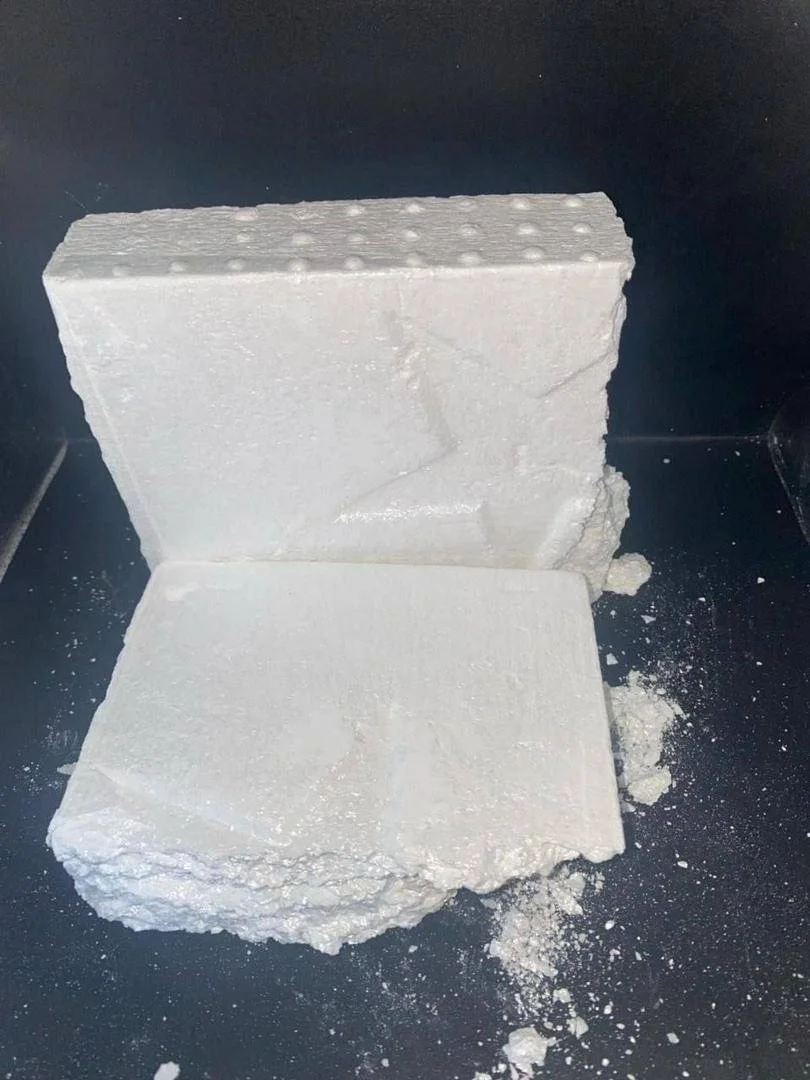
Cocaine for sale: A Comprehensive Guide to Its Use, Effects, and Medical Applications
Introduction: cocaine for sale
Cocaine for sale is a powerful and complex substance with a rich history, significant medical uses, and a high potential for addiction. This guide provides an in-depth look at cocaine—its chemistry, medical applications, withdrawal symptoms, and current legal and social contexts. Whether you’re a student, healthcare professional, or simply curious, this overview offers clear, research-based information.
What is Cocaine?
Cocaine is a naturally occurring alkaloid derived from the leaves of the Erythroxylum coca plant. It typically appears as a white crystalline powder known as cocaine hydrochloride or as smokable freebase cocaine (crack). Known for its intense stimulant effects and euphoric high, cocaine has been both medically valuable and socially problematic.
Chemistry and Mechanism of Action
The cocaine molecule features a unique bicyclic structure comprising ecgonine, methyl ester, and benzoyl groups. It acts primarily as a potent serotonin-norepinephrine-dopamine reuptake inhibitor (SNDRI), especially blocking dopamine transporters. This causes dopamine accumulation in the brain’s synapses, triggering intense pleasure and reinforcement pathways, which contribute to its high addictive potential.
Cocaine also functions as a local anesthetic by blocking sodium channels, a property historically exploited in medical procedures.
Medical Uses of cocaine for sale
Despite its notoriety, cocaine retains limited but important medical applications:
- Local anesthesia in certain ear, nose, and throat (ENT) surgeries due to its numbing and vasoconstrictive effects.
- Pharmaceutical cocaine formulations are strictly regulated and used under medical supervision.
Recreational Use and Popular Culture
Recreational cocaine use remains widespread, often glamorized or referenced in music and media, including mentions like yo gotti pure cocaine. However, the drug carries serious health risks and legal consequences.
In the UK and worldwide, large quantities such as 70 tons of cocaine or 5 kilos of cocaine worth highlight the scale of illicit trafficking and associated challenges.
Effects of Cocaine Use
- Acute effects: Increased energy, euphoria, heightened alertness, dilated pupils, and appetite suppression.
- Physical risks: Elevated heart rate and blood pressure, risk of stroke, arrhythmias, seizures, and respiratory distress.
- Chronic effects: Nasal septum damage, respiratory issues, cognitive impairment, psychosis, and severe addiction.
Cocaine Withdrawal: Symptoms and Treatment
Withdrawal from cocaine can be difficult and includes symptoms such as:
- Fatigue and depression
- Intense cravings
- Anxiety and irritability
- Sleep disturbances
Cocaine withdrawal treatment often involves behavioral therapies and supportive care. Searching for cocaine rehab near me can connect individuals to specialized programs that address these challenges.
Fast Shipping & Discreet Delivery Worldwide (to Your Doorsteps)
A major reason buyers search terms like “cocaine for sale online,” “cocaine online,” or “cocaine near me” is convenience and privacy. Many buyers want:
- discreet packaging
- fast shipping
- worldwide delivery
- delivery to their doorstep without drawing attention
Some listings promote “discreet delivery worldwide by dosage pharmacy to your doorsteps” and “fast shipping” as key differentiators. If you’re considering any online purchase, the most important buyer mindset should be: privacy is not the same as safety—so always prioritize risk-reduction practices.
How Addictive is cocaine for sale?
Cocaine’s impact on dopamine pathways makes it highly addictive. Its rapid onset and intense high reinforce compulsive use, often leading to tolerance and dependence. Understanding the effects of cocaine withdrawal is crucial for recovery.
Cocaine Overdose and Safety Concerns
Overdose can result in life-threatening cardiovascular and neurological symptoms. Cocaine overdose treatment requires immediate medical intervention, focusing on stabilizing heart function and controlling seizures.
Contamination with harmful adulterants, like levamisole, further increases health risks.
Legal Status and Regulation
Cocaine is classified as a Schedule II substance in the U.S., reflecting its high abuse potential but limited medical use. International laws generally prohibit possession and distribution, though some regions have begun decriminalizing small amounts.
Buying and Medical Use of Cocaine
While illicit cocaine is illegal and dangerous, pharmaceutical-grade pure cocaine for sale exists under strict regulation for medical use. Legitimate cocaine medical use involves topical anesthesia in controlled clinical settings.
Popular Quantities and Street Values
Large seizures and trafficking volumes illustrate cocaine’s global impact, with figures such as:
- 56 pounds of cocaine worth
- 5 tons of cocaine worth
- 300 kilos of cocaine worth
- 10 tons of cocaine worth
These highlight the scale and challenges of drug enforcement worldwide.
Educational Importance
Studying cocaine’s mechanism of action, molecular structure, and clinical applications provides valuable insight into neuropharmacology and addiction science. This knowledge supports better treatment approaches and informed policy making.

Reviews
There are no reviews yet.